Saving seeds from the best plants can help you reduce costs and preserve varieties that are well adapted to your soil and climate. To achieve good germination next season, the seeds should be collected when mature, cleaned, dried thoroughly, and stored away from moisture.
Choose the best plants
Collect seeds only from healthy, strong plants with no signs of disease. Choose plants that have produced well and fruits with the qualities you want to preserve.
Collect them when they are mature
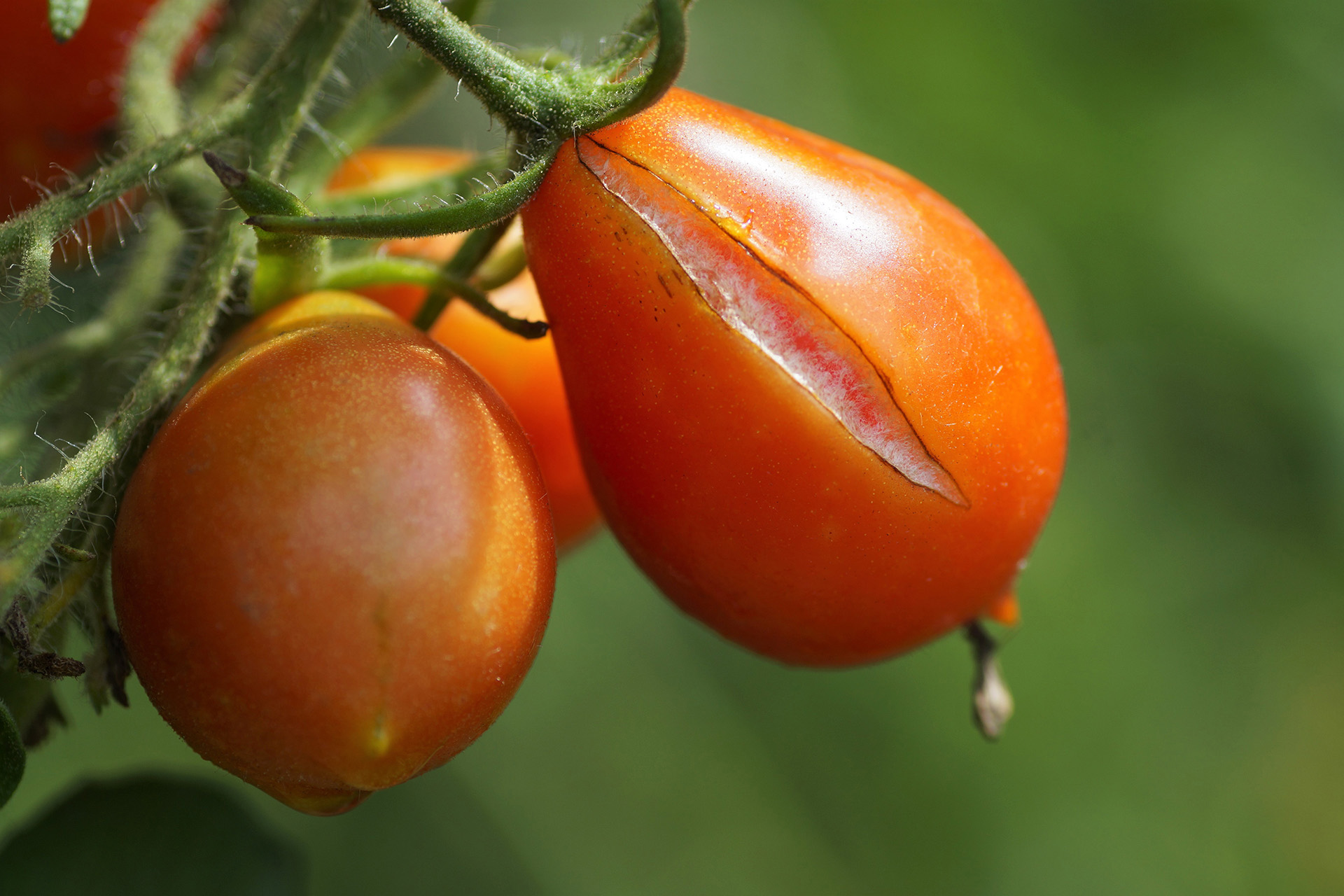
Do not take seeds from unripe fruits. Beans, peas, and corn can be left to dry on the plant. Tomatoes and peppers should be fully ripe before their seeds are collected.
Clean and dry them thoroughly
Remove fruit residue, soil, leaves, and damaged seeds. Spread the seeds in a thin layer and leave them to dry in the shade, in a well-ventilated place. Do not package them while they are still damp.
Label and store them
Place the seeds in paper envelopes, jars, or clean containers. Write down the plant name, variety, location, and collection date. Keep them in a cool, dark, and dry place.
Three main storage conditions
Seeds keep best when stored in a dry, cool, and dark place. Moisture can cause mold and rot, while high temperatures can reduce the seeds' ability to germinate.
Before planting, place 10 seeds between two damp paper towels and keep them in a warm place. If 8 seeds germinate, the seed lot has approximately 80% germination. If very few germinate, use more seeds when planting or obtain fresh seed.
References
- Food and Agriculture Organization of the United Nations. Seeds Toolkit: Seed Storage.
- Food and Agriculture Organization of the United Nations. Collection, Storage and Treatment of Tree Seeds.
- University of Minnesota Extension. Saving Vegetable Seeds.
- Organic Seed Alliance. A Seed Saving Guide for Gardeners and Farmers.