Tomatoes usually crack when they suddenly receive a large amount of water after a period of drought. The flesh inside expands quickly, while the skin cannot adjust at the same rate. As a result, the skin cracks.
The risk increases during hot weather, after heavy rainfall, when the soil is allowed to dry out completely, or when watering is irregular. Sudden changes in moisture are among the main factors that contribute to this problem.
Cracking is seen more often in tomatoes that are close to ripening, because at this stage the fruit contains more liquid and continues to grow. After receiving a large amount of water, the roots may absorb moisture very quickly and the pressure inside the fruit increases.
Tomato cracking does not necessarily mean that the plant is diseased. In most cases, it is a problem related to growing conditions and especially to changes in the water supply.
What do tomato cracks look like?
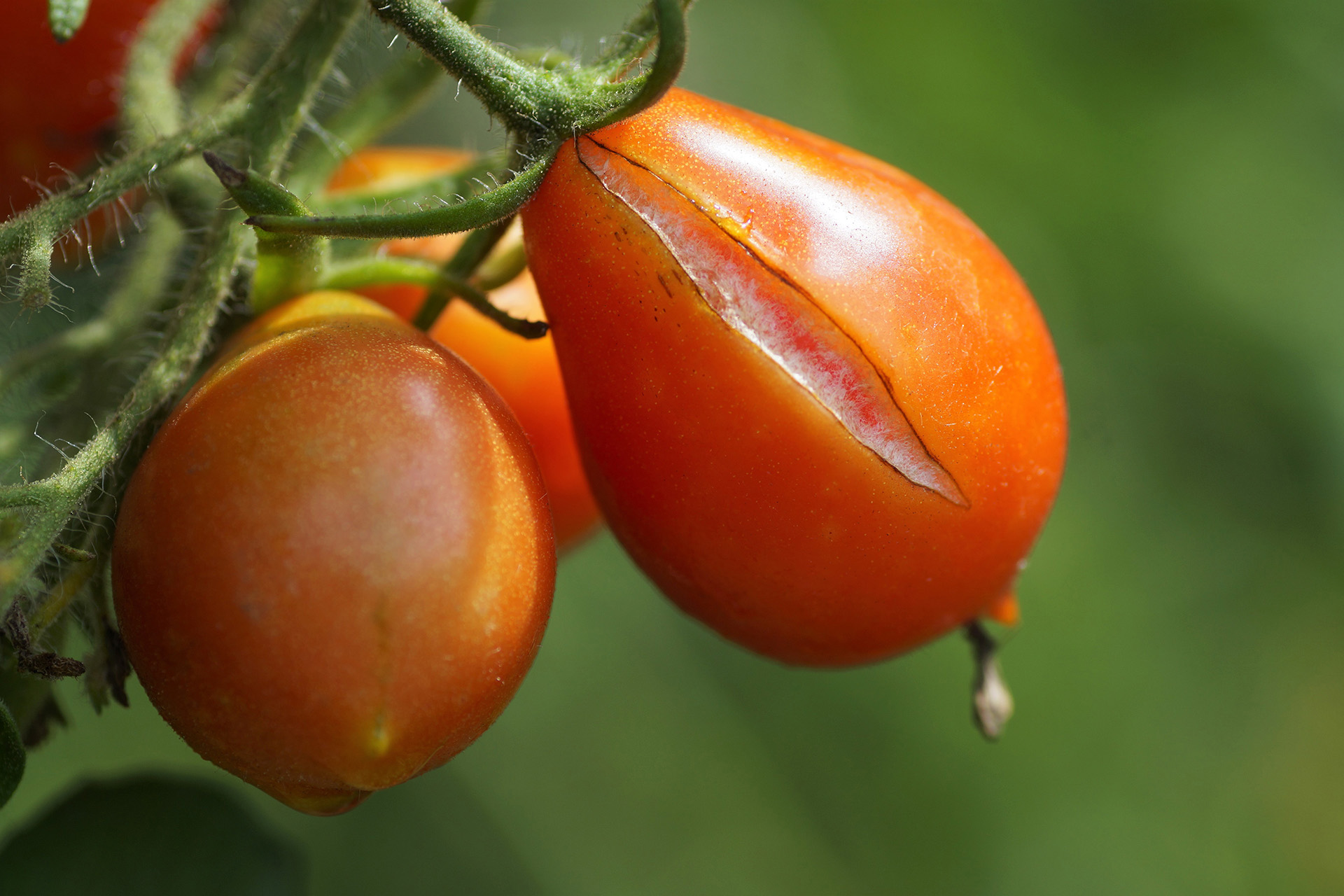
Cracks can appear in different forms. Some develop around the upper part of the tomato, near the stem, while others extend vertically from the top toward the bottom of the fruit.
Circular cracks
These cracks form lines or rings around the tomato stem. They may be superficial, but in more severe cases they may penetrate deeper into the fruit.
Vertical cracks
These usually begin near the stem and continue downward along the side of the tomato. They may appear when the fruit expands very quickly after heavy watering or strong rainfall.
Factors that increase the risk of cracking
Water is the main factor, but other growing conditions can make the problem more frequent.
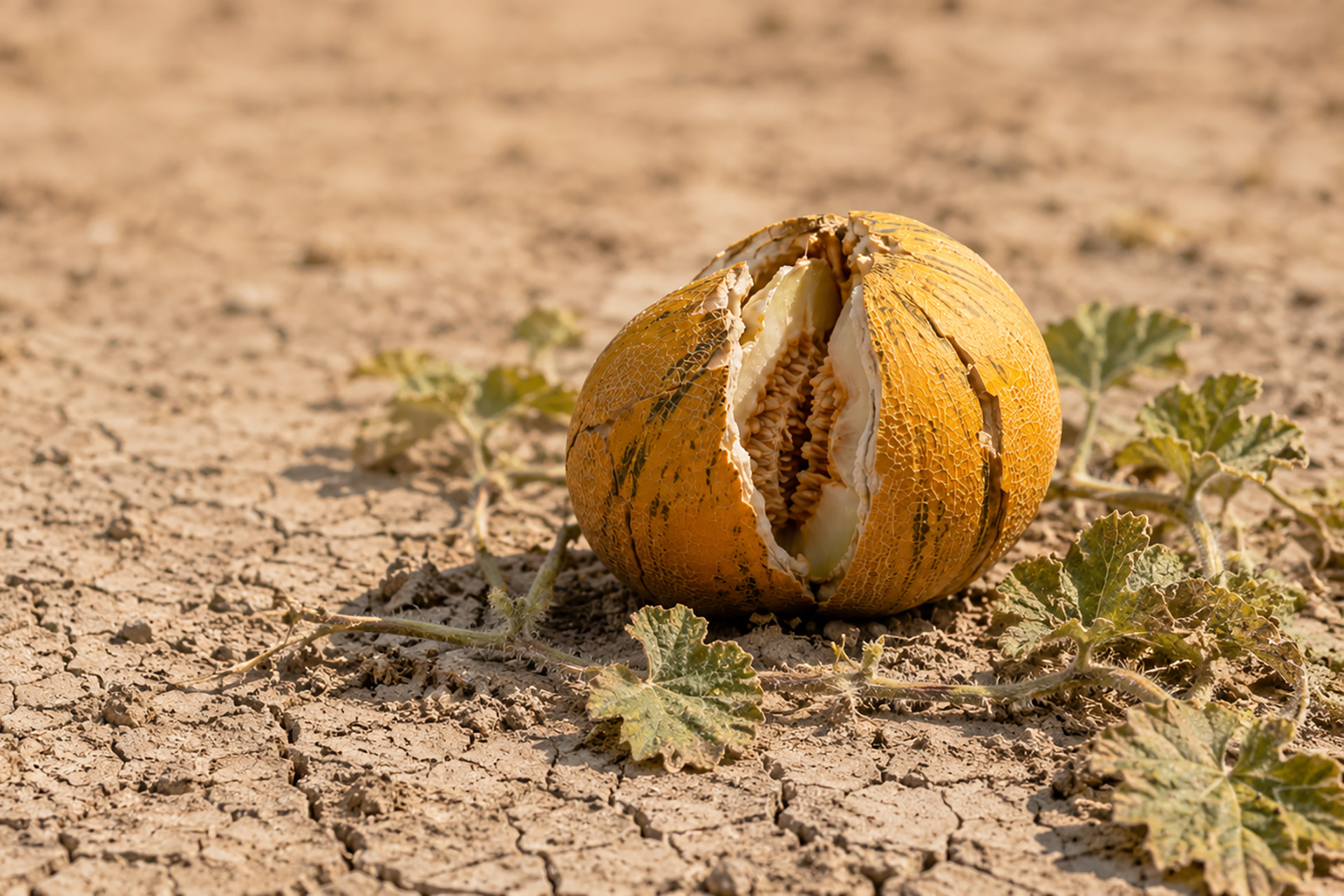
- Long periods without water: the soil dries out and the plant adapts to a lower amount of moisture.
- Heavy rainfall after drought: the roots suddenly take up a large amount of water and the fruits expand quickly.
- Irregular watering: the change between very dry soil and very wet soil creates favorable conditions for cracking.
- High temperatures: during hot weather the soil loses moisture more quickly and changes in water levels can become greater.
- Fruits close to ripening: fully developed tomatoes are more sensitive to sudden expansion.
Main steps for preventing cracking
-
01
Check the soil moisture
Insert your finger about 4–5 centimeters into the soil. If the soil is dry at this depth, the plants may need water. Checking the soil is more useful than watering according to a fixed schedule. -
02
Water early in the morning
Watering in the morning reduces water loss through evaporation and gives the roots time to absorb moisture before the higher temperatures of the day. -
03
Water slowly and at the base
Direct the water toward the soil around the roots and let it penetrate gradually. Slow watering helps moisture reach deeper into the soil without creating sudden changes. -
04
Maintain a consistent routine
Do not wait for the soil to dry out completely before each watering. The goal is to avoid frequent shifts from very dry soil to excessively wet soil. -
05
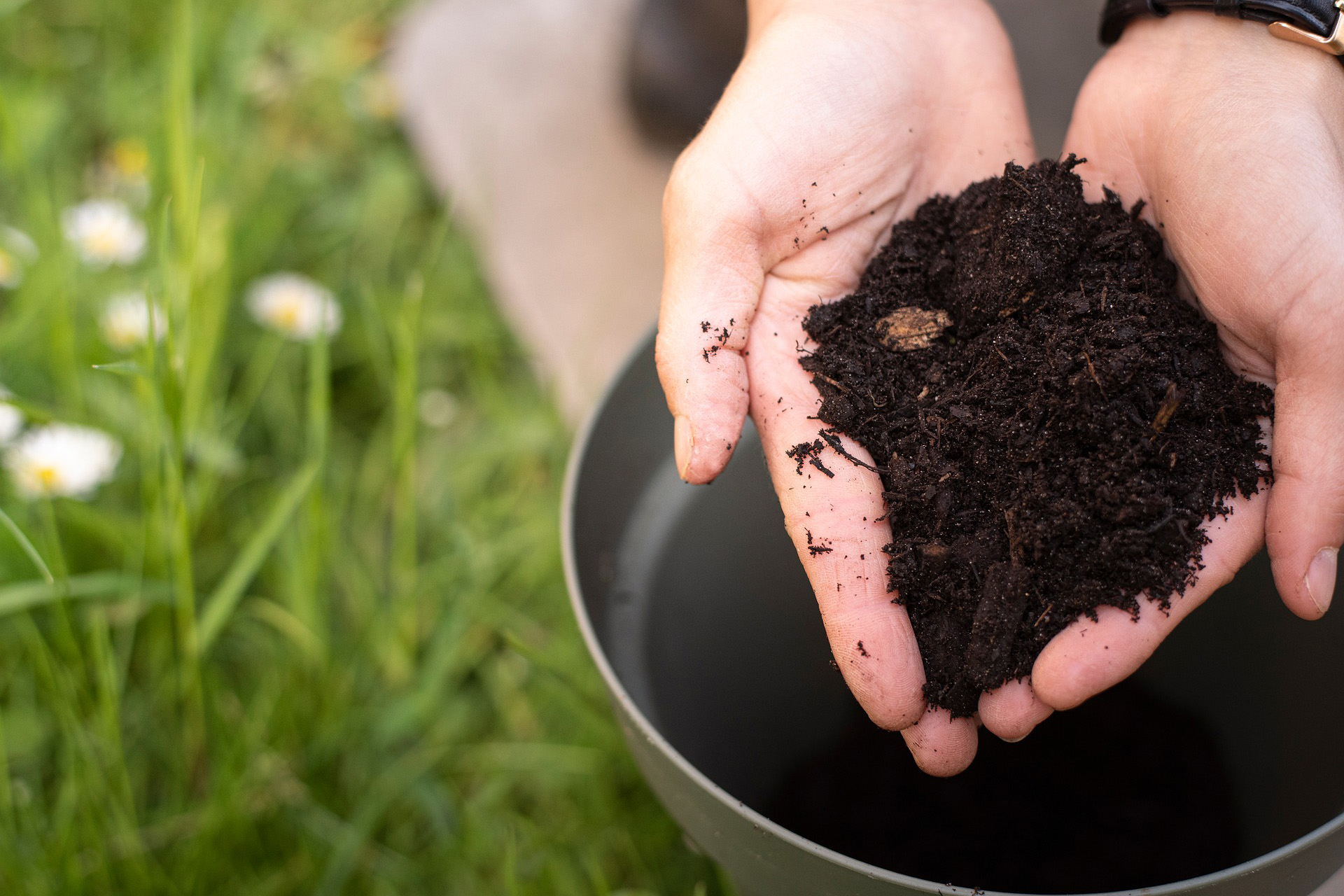
Add a protective layer over the soil
Place straw, dried grass, or other organic material around the plant. This layer helps retain moisture, limits evaporation, and protects the soil from rapid temperature changes. -
06
Do not water unnecessarily
Do not water automatically after it has rained. First check the soil moisture and resume watering only when the top layer has started to dry out. -
07
Pay attention to the rainfall forecast
If heavy rainfall is expected, avoid heavy watering shortly before the rain. This can help prevent an excessive amount of water from entering the soil within a short period of time. -
08
Check ripening tomatoes more often
Fruits that have started to develop their characteristic ripening color should be checked regularly, especially before periods of heavy rainfall.
What should you do after heavy rainfall?
After heavy rain, do not immediately add more water. Check the soil and wait until the moisture level begins to normalize. If the soil remains wet for a long time, make sure the water can drain away and does not collect around the roots.
During this period, also check ripe tomatoes or those that are close to ripening. They may be more sensitive to cracking after sudden changes in moisture.
What should you do with cracked tomatoes?
A tomato with a small crack does not necessarily need to be discarded. If the fruit is fresh, without mold, without an unusual smell, and without signs of rot, it can be inspected and used as soon as possible.
Open cracks create a surface where moisture, dirt, and microorganisms can enter. For this reason, cracked tomatoes should not be left on the plant for long after the damage appears.
If a tomato has soft areas, rot, mold, or deep damage, it is safer not to use it.
Frequently asked questions
Is tomato cracking caused by a disease?
Usually not. Cracking is mainly a problem related to rapid fruit growth and sudden changes in soil moisture.
Should I water tomatoes every day?
Not necessarily. Water needs vary depending on temperature, plant size, soil type, rainfall, and the growing method. It is more important to check the soil moisture and maintain as consistent a level as possible.
Does mulching the soil help?
Yes. An organic layer over the soil helps moisture escape more slowly and can reduce sudden changes between dry soil and very wet soil.
Why do tomatoes crack immediately after rain?
When the soil has been dry and then receives a large amount of water, the roots may absorb it quickly. The fruit expands, but the skin may not expand at the same rate, causing cracks.
Conclusion
The best way to reduce tomato cracking is to avoid large changes in soil moisture. Check the soil regularly, water slowly near the roots, use a protective layer, and adjust watering according to temperatures and rainfall.
A consistent watering routine not only helps prevent cracking, but also creates more stable conditions for the development of the plant and its fruits.